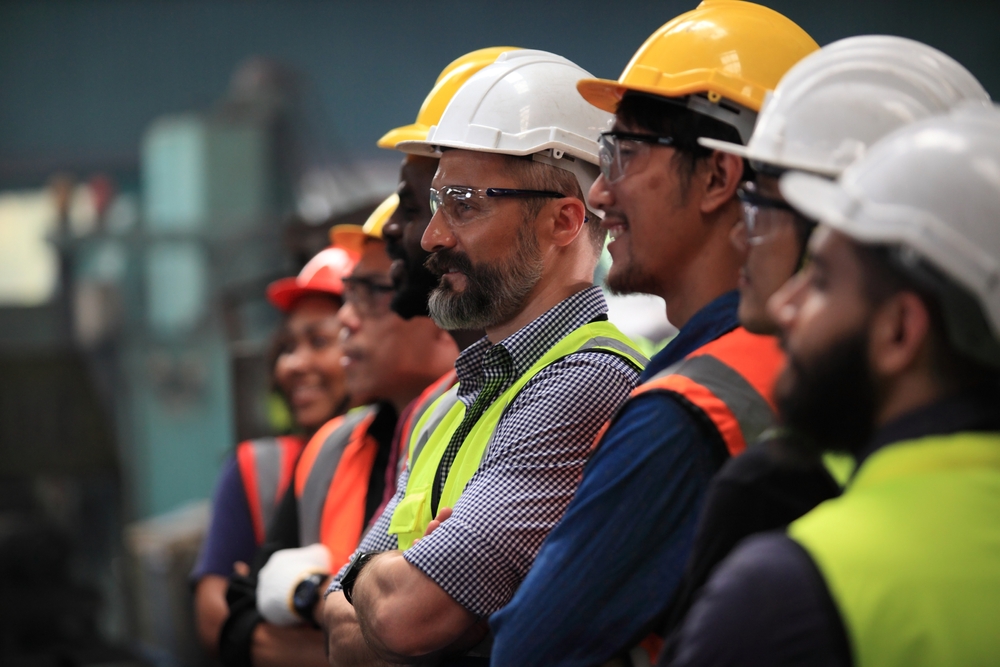



Manufacturing companies rely on technology to keep production, administration, communication, and business operations running efficiently. From production systems and connected equipment to accounting software, inventory platforms, employee workstations, and cloud applications, technology has become an essential part of the modern manufacturing environment.
When these systems operate reliably, employees can remain productive and production teams can stay focused on meeting operational goals. However, when technology fails, the consequences can extend throughout the organization. Network outages, cybersecurity incidents, outdated hardware, software failures, and connectivity problems can interrupt workflows, delay production, and create unnecessary costs.
This is why professional IT Support for Manufacturing Companies is an important part of modern technology planning. Manufacturers need more than basic computer troubleshooting. They need dependable IT infrastructure, proactive monitoring, cybersecurity protection, network management, data backup, disaster recovery, and technology strategies that support both office and production environments.
For manufacturing companies in Dallas, TX, having the right IT strategy can help create a more secure, reliable, and scalable technology environment. Working with an experienced IT provider can also help business leaders identify technology risks before they develop into larger operational problems.
Why Manufacturing Companies Need Specialized IT Support
Manufacturing environments often have technology requirements that are different from those of a traditional office. Employees may use computers and cloud applications while production teams rely on specialized systems, connected equipment, industrial networks, and operational technology.
Many manufacturers also operate across multiple buildings, facilities, or production areas. Managing users, computers, servers, network equipment, applications, security tools, and connected devices across these environments can quickly become complicated.
Professional manufacturing IT services can help organizations manage these technology environments through proactive monitoring, network management, cybersecurity, endpoint support, cloud services, backup solutions, help desk assistance, and strategic technology planning.
Instead of waiting until a system fails, proactive IT management focuses on maintaining technology, identifying potential weaknesses, and addressing issues before they significantly affect operations.
Supporting Production and Business Operations
Manufacturing organizations typically have several departments that depend on technology. Production teams may use specialized applications and connected systems, while accounting, sales, human resources, purchasing, and management rely on business software and communication platforms.
A problem with one part of the technology environment can sometimes affect other departments. For example, a network issue could prevent employees from accessing cloud applications, shared files, production information, or communication tools.
Industrial IT support can help manufacturers evaluate these connections and develop a technology strategy that accounts for the organization’s operational requirements.
IT support can also help standardize computers and other devices used throughout a manufacturing company. Consistent configurations can simplify troubleshooting, improve security management, and provide employees with a more dependable technology experience.
Manufacturing Cybersecurity Is a Critical Priority
Cybersecurity has become increasingly important as manufacturing environments become more connected. Business networks, production systems, remote access tools, cloud applications, and connected equipment can create a complex technology environment that requires careful management.
Manufacturing cybersecurity should involve multiple layers of protection. Depending on the organization’s infrastructure, these may include multifactor authentication, endpoint protection, email security, network segmentation, access controls, vulnerability management, security monitoring, and protected backups.
The National Institute of Standards and Technology provides cybersecurity guidance specifically addressing manufacturing environments and industrial control systems. Manufacturers can review NIST guidance for protecting industrial control system environments when evaluating cybersecurity practices and risks.
Cybersecurity should not be viewed as a one-time project. Manufacturing organizations need ongoing monitoring, regular security reviews, vulnerability management, employee awareness training, and technology planning to address changing risks.
Protecting Connected Manufacturing Environments
Manufacturers may have a combination of traditional IT systems and operational technology. These environments can include production workstations, industrial control systems, connected equipment, servers, switches, firewalls, and business applications.
Keeping these environments secure requires careful consideration of how different systems communicate. Not every production device necessarily needs unrestricted access to the business network or the internet.
Network segmentation and access controls can help manufacturers establish boundaries between different parts of their technology environment. These controls can limit unnecessary communication and potentially reduce the impact of a compromised device.
Remote access should also be managed carefully. Vendors, technicians, and employees may require remote connectivity to certain systems, but access should be controlled, monitored, and limited according to business requirements.
Employee Cybersecurity Awareness
Employees play an important role in a manufacturing company’s cybersecurity strategy. Staff members interact with email, websites, cloud applications, mobile devices, and other technology throughout the workday.
Phishing emails, malicious attachments, fraudulent login pages, and social engineering attempts can target employees across different departments.
Security awareness training can help employees recognize suspicious communications and understand how to report potential security incidents. Clear internal procedures can also help employees know what to do if they believe an account, device, or system may have been compromised.
Combining employee awareness with technical security controls creates a more comprehensive approach to protecting manufacturing systems and business information.
Network Support for Manufacturing Companies
A reliable network is fundamental to modern manufacturing operations. Employees may depend on wired and wireless connectivity to access business applications, production information, cloud platforms, shared files, communication systems, and other resources.
Network problems can affect multiple departments at the same time. A connectivity failure may prevent employees from accessing important applications or communicating with other teams.
Network support for manufacturing companies can include network monitoring, wireless management, firewall administration, infrastructure maintenance, connectivity troubleshooting, equipment management, and network planning.
Proactive monitoring can help identify unusual performance or connectivity issues before they develop into significant disruptions. Maintaining accurate network documentation can also make troubleshooting and future infrastructure expansion more efficient.
Reliable Connectivity Across Manufacturing Facilities
Manufacturers with multiple buildings or facilities may have more complex networking requirements. Production areas, administrative offices, equipment areas, and other locations may all require dependable connectivity.
Wireless infrastructure can also be important for employees using laptops, tablets, scanners, mobile devices, and other connected equipment.
A properly designed network should take into account the physical environment, number of connected devices, application requirements, security considerations, and expected business growth.
Professional IT support can help manufacturers evaluate network performance, identify connectivity problems, and determine opportunities to improve reliability, coverage, and security.
Factory IT Support for Day-to-Day Operations
Technology issues can quickly become productivity issues in a manufacturing environment. Employees can lose valuable time when computers are slow, applications fail, devices cannot connect to the network, or user accounts stop working.
Factory IT support provides employees with a structured way to receive technical assistance while helping management identify recurring technology problems.
A strong support process should focus on more than resolving individual tickets. If the same problem repeatedly affects employees, IT teams should investigate the underlying cause and determine whether infrastructure, configuration, software, or hardware changes could prevent the problem from returning.
Proactive support can also help manufacturers plan hardware replacements. Computers, servers, network equipment, and other technology have finite lifecycles. Replacing aging equipment before it becomes unreliable can help reduce unexpected downtime.
Managed IT Services for Manufacturing
Many manufacturing companies do not want their employees spending significant amounts of time troubleshooting technology problems. Managed IT services for manufacturing can provide ongoing technology management designed to reduce the burden on internal teams and business leadership.
Managed services may include proactive monitoring, help desk support, endpoint management, network management, cybersecurity, backup monitoring, software updates, and strategic technology planning.
This approach gives manufacturers a structured way to manage their IT environment. Instead of addressing technology problems only when they occur, organizations can establish recurring processes for maintenance, monitoring, security, and planning.
For smaller manufacturers, managed IT services can provide access to technical expertise without requiring a large internal IT department. Larger organizations may use managed services to supplement internal IT teams or provide specialized expertise in areas such as cybersecurity, cloud technology, and network infrastructure.
Reducing Technology-Related Downtime
Downtime can create significant operational challenges for manufacturing businesses. When employees cannot access important systems or production-related technology becomes unavailable, schedules and workflows can be affected.
Preventing every technology problem may not be possible, but proactive maintenance can help reduce avoidable disruptions.
Monitoring, patch management, hardware lifecycle planning, network maintenance, security management, and backup monitoring can all contribute to greater technology reliability.
A managed IT approach can also give business leaders greater visibility into their technology environment and help identify areas where additional investment may be appropriate.
Backup and Disaster Recovery for Manufacturers
Manufacturing companies need dependable access to important business and operational information. Data may include financial records, customer information, engineering files, production documentation, employee records, inventory information, and other critical resources.
Data loss can result from hardware failure, accidental deletion, software problems, cyber incidents, or other unexpected events.
A comprehensive backup strategy can help organizations protect important information and establish recovery options when systems are disrupted.
However, having backups is only one part of disaster recovery planning. Manufacturers should understand which systems are critical, how frequently information is backed up, how backups are protected, and how systems would be restored following an incident.
Planning for Business Continuity
Business continuity planning allows manufacturers to prepare for technology disruptions before they happen. Organizations can identify critical applications, establish recovery priorities, document procedures, and determine responsibilities for responding to technology incidents.
Recovery procedures should also be tested periodically. A backup system that has never been tested may not provide the confidence an organization needs during an actual emergency.
In manufacturing environments, recovery planning should consider both business applications and technology that supports production operations. Recovery priorities can vary depending on the organization’s processes, systems, infrastructure, and operational requirements.
Cloud Technology and Manufacturing IT
Cloud technology has become an important part of many manufacturing companies’ IT strategies. Organizations may use cloud applications for accounting, human resources, customer relationship management, communication, file storage, project management, and other business functions.
Cloud services can provide flexibility and accessibility, but they still require appropriate management.
Manufacturers need to consider user permissions, authentication, device security, data protection, application configurations, and vendor relationships when implementing cloud technology.
Professional IT support can help manufacturers manage these environments while ensuring employees have appropriate access to the applications and information required for their responsibilities.
Cloud technology can also support collaboration between office employees, management teams, sales departments, engineers, and other groups. With appropriate security controls, employees can access approved business resources from different locations without requiring every application to operate on local infrastructure.
IT Infrastructure for Manufacturing
A strong IT infrastructure for manufacturing provides the foundation for reliable technology operations. This infrastructure may include computers, servers, switches, firewalls, wireless access points, cloud services, backup systems, security platforms, and other connected technology.
Manufacturers should regularly evaluate whether their infrastructure can support current and future business requirements.
Technology planning can help organizations identify aging equipment, network bottlenecks, security gaps, outdated software, and systems that may need to be upgraded or replaced.
Infrastructure planning becomes particularly important when a manufacturer expands operations. Adding employees, production equipment, facilities, applications, or connected devices can increase demand on existing technology systems.
Supporting Technology Growth
Manufacturing companies often grow through increased production capacity, new customers, expanded facilities, or new technology investments. IT infrastructure should be capable of scaling alongside the organization.
Adding employees, for example, may require new computers, user accounts, application licenses, network access, and security configurations.
Opening another facility may require network connectivity, wireless infrastructure, firewalls, devices, and secure connections between locations.
Strategic IT planning can help manufacturers anticipate these requirements and avoid making technology decisions only after a problem occurs.
Why Dallas IT Support Matters for Manufacturers
Dallas, TX, has a diverse business environment that includes manufacturers, industrial organizations, distributors, technology companies, and businesses supporting production and commerce.
For manufacturers in the Dallas area, reliable technology can be an important component of maintaining efficient operations. As organizations grow, their IT environments can become increasingly complex.
Dallas IT support can help manufacturing companies manage this complexity through proactive monitoring, cybersecurity, network support, device management, cloud services, backup solutions, and strategic technology planning.
A local IT partner can also help organizations plan technology improvements around their specific business environment rather than relying on a one-size-fits-all approach.
What to Look for in Manufacturing IT Support
Selecting an IT provider is an important decision for a manufacturing company. Manufacturers should consider whether a provider understands both the business and technical requirements associated with modern production environments.
When evaluating potential IT partners, consider the following:
- Manufacturing experience: Look for familiarity with the technology challenges faced by manufacturing and industrial organizations.
- Cybersecurity capabilities: The provider should understand endpoint protection, email security, network security, access controls, and other cybersecurity measures.
- Network expertise: Reliable connectivity is critical, particularly for organizations operating multiple facilities or large production environments.
- Proactive monitoring: Technology should be monitored and maintained rather than managed only after problems occur.
- Backup and recovery: Data protection should be part of a broader business continuity strategy.
- Scalable solutions: IT infrastructure should be able to support business growth and changing technology requirements.
- Responsive support: Employees should have a clear and efficient way to receive assistance when technology problems occur.
- Strategic planning: IT support should include long-term technology planning rather than focusing exclusively on immediate troubleshooting.
Building a Stronger Manufacturing Technology Strategy
Manufacturing companies depend on technology to operate efficiently, communicate with customers and suppliers, manage employees, monitor production, and maintain important business information.
That dependence makes IT management an important part of long-term business planning.
IT Support for Manufacturing Companies can provide a proactive framework for managing these technology requirements. Through cybersecurity, network management, infrastructure support, cloud services, device management, backup planning, and strategic IT guidance, manufacturers can create a technology environment designed around their operational needs.
Cybersecurity should remain an ongoing priority as manufacturers continue connecting business IT systems with operational technology. Organizations can use established cybersecurity frameworks and industry guidance to evaluate risks, strengthen security controls, and improve their overall technology strategy.
At the same time, technology should support employees rather than create unnecessary complexity. Manufacturing teams need reliable systems that help them complete their responsibilities efficiently while maintaining appropriate security protections.
Strengthen Your Manufacturing IT Environment
Reliable technology can help manufacturing companies maintain productivity, protect important business information, support employees, and prepare for future growth.
If your organization is dealing with recurring technology problems, cybersecurity concerns, unreliable networks, outdated equipment, infrastructure challenges, or increasing IT requirements, a proactive technology strategy can provide a stronger foundation.
Manufacturing companies in Dallas can learn more about IT Support for Manufacturing Companies from LG Networks and explore technology services designed around the needs of modern manufacturing organizations.
Ready to take the next step? Explore manufacturing IT support from LG Networks to learn how professional IT services can help your organization strengthen cybersecurity, improve technology reliability, reduce downtime, and build a more scalable IT infrastructure.

Leave a Reply